Why course correction is natural for the NASCAR schedule and its 'invisible hand'
The quick move of Watkins Glen International back to a more traditional date on the 2027 Cup Series calendar underscores that some races just belong at certain times of the year.

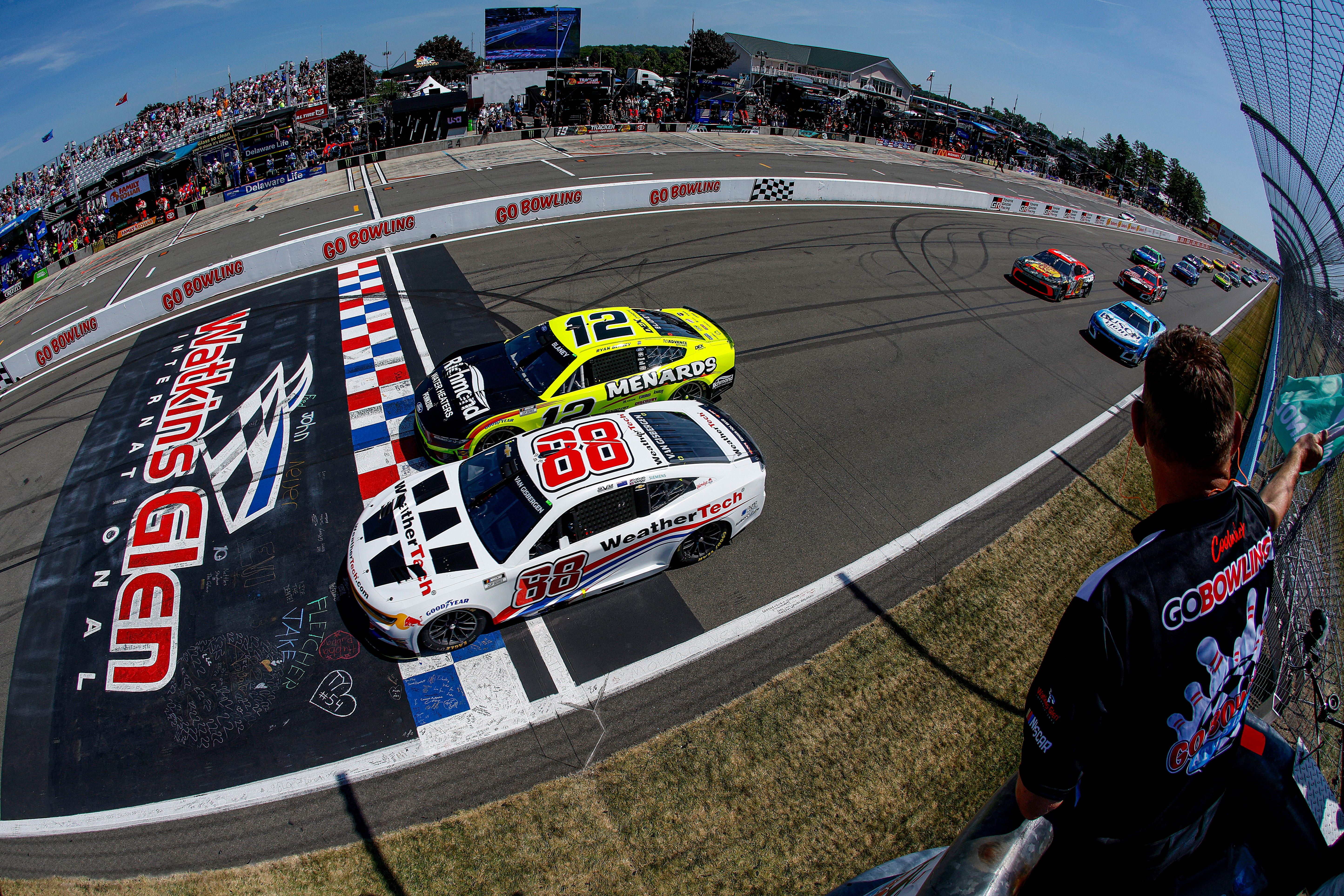
And just like that, the May experiment at Watkins Glen International is over literally before it began.
The night before cars would be on track for the first spring NASCAR weekend in the Glen’s 70-year history, the announcement was made at the annual Camper Welcome Party.
Next year, the historic road course will be shifted back to September and a spot in the Chase.
Unseasonably inclement weather and a gloomy forecast had already cast a pall on the debut of May racing at Watkins Glen. But honestly, it had already seemed only a matter of time until NASCAR course-corrected to putting its annual visit to the Finger Lakes in a familiar spot.
There’s something about the waning days of summer being the right time for racing in Western New York.
Of Watkins Glen International’s previous 42 Cup races, 41 were held from late July to mid-August. The other took place on Sept. 15, 2024 when Chris Buescher outdueled Shane van Gisbergen with a last-lap pass that would have been labeled a fall classic if it had occurred only a few days later.
It’s among the many memorable finishes over the years at the 2.45-mile layout whose fabled campgrounds are usually packed with fans enjoying a break from the dog days of summer by soaking in the fastest road course in NASCAR.
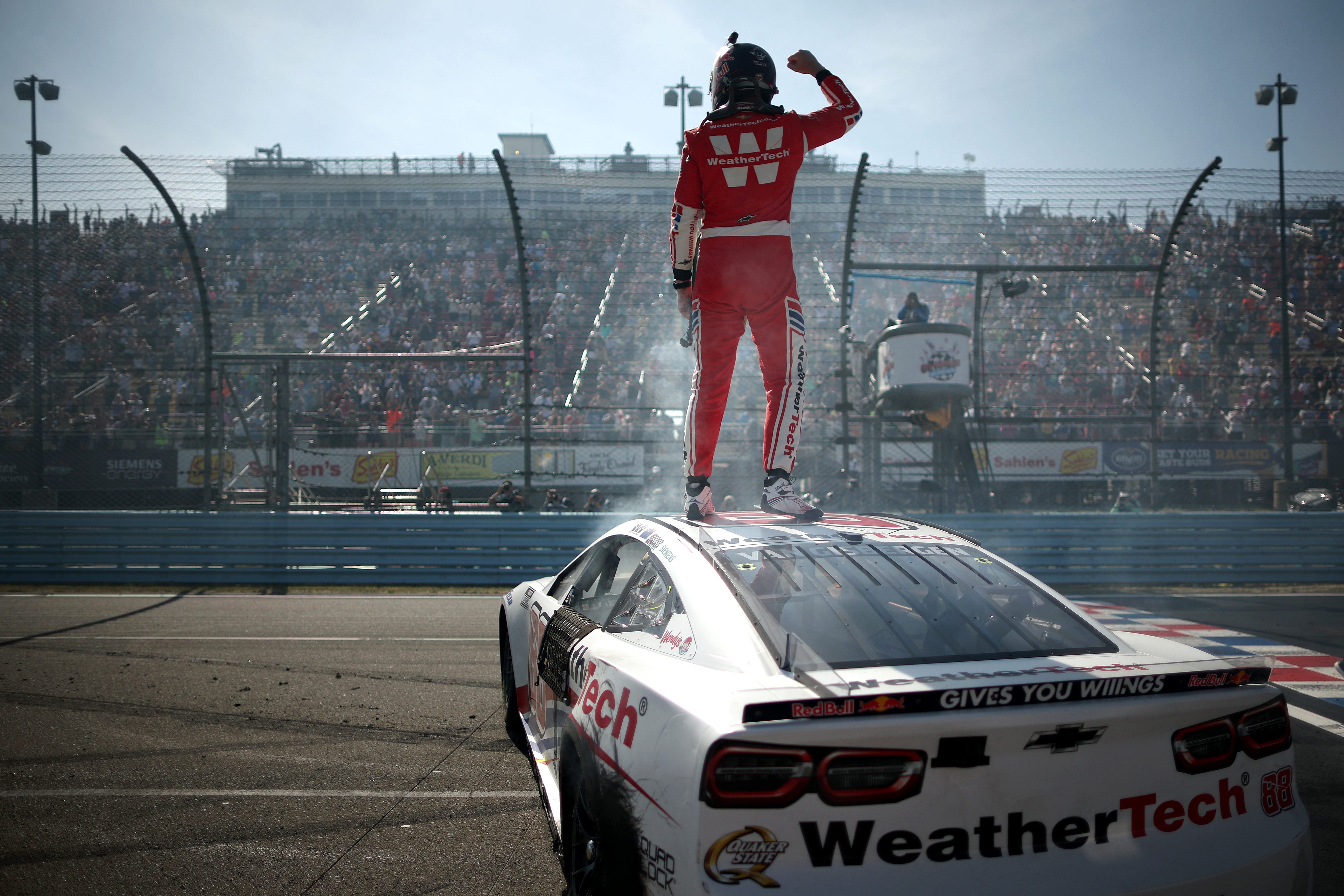
So moving the fan favorite to an unspecified date after Labor Day weekend feels fitting – even if the May race barely had a chance to gain any traction.
Watkins Glen is now on a list of several tracks where NASCAR briefly tinkered with scheduling before sticking with tradition
Darlington Raceway: The Southern 500 was initially moved to November in 2004 and then shifted to Mother’s Day weekend from 2005-13 as Darlington dropped to one annual race.
After a one-year run in April, the Southern 500 returned to its rightful place on Labor Day weekend in 2015. It’s hard to imagine it ever moving again.
EchoPark Speedway: Atlanta’s tried Labor Day from 2009-14 before its single annual race moved to late February/early March. The track regained a second annual race in 2021 that has been held in early summer for four of the past five years (along with a Chase opener tryout in September 2024).
For Hotlanta, the June/July date seems a much better fit than a late October weekend that was frequently interrupted by rain.
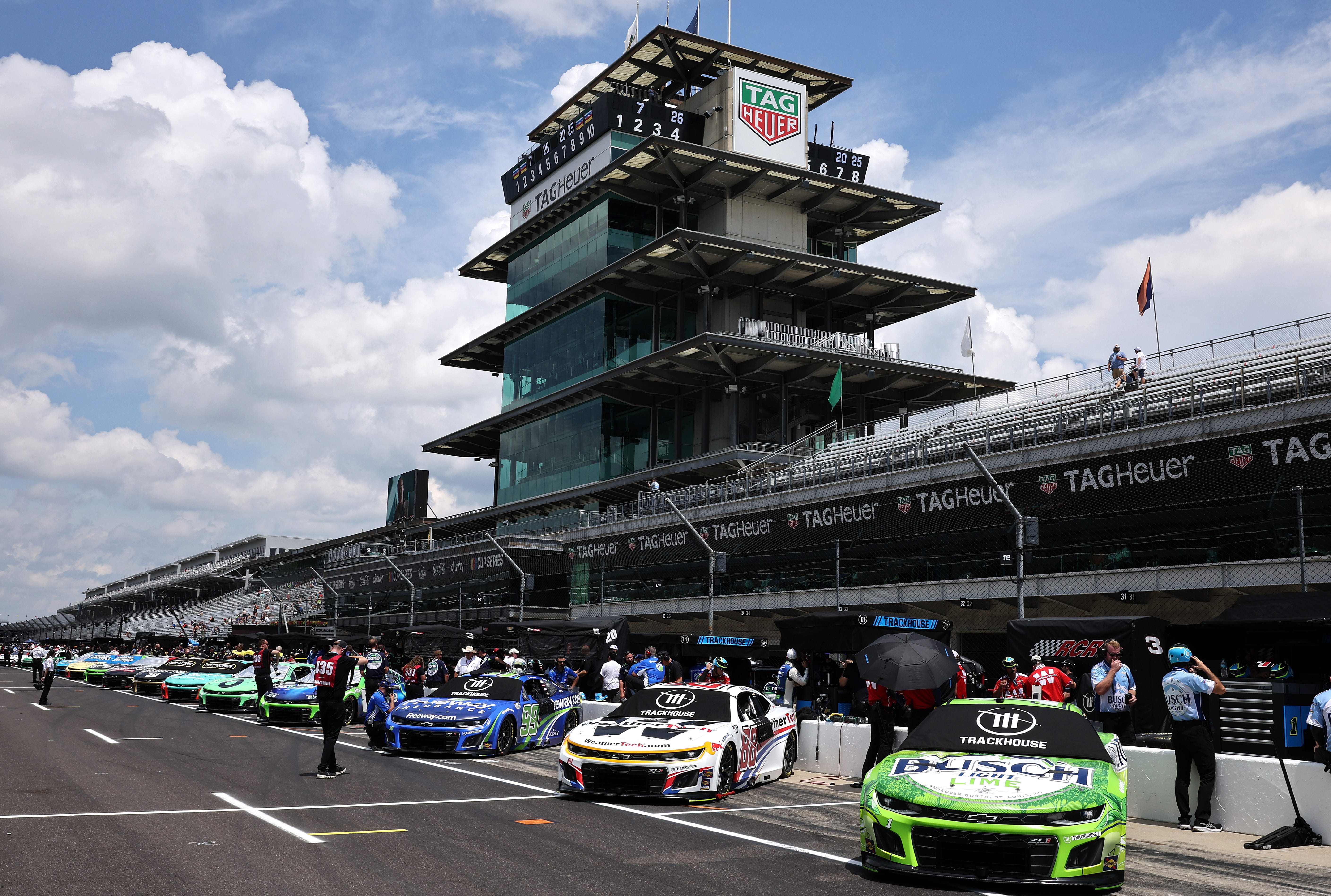
Indianapolis Motor Speedway: The Brickyard 400 feels synonymous with midsummer on the NASCAR schedule – except for that 2018-19 run when NASCAR tried closing the regular season in mid-September at IMS.
It was a short-lived trial as the switch back to a traditional July date for 2020 was announced before the second September race.
The NASCAR schedule has a way of gravitating toward rediscovering balance when its equilibrium is disturbed.
Call it the Invisible Hand of the Cup Series calendar (with this more of a nod to Bill France than Adam Smith).
Which brings us to two more tracks that seem ripe for a return to normalcy, especially now that the elimination playoffs have been eliminated.
The previous championship format was the impetus for the schedule shifts of the second annual races at Bristol Motor Speedway and Daytona International Speedway.
After a 59-year run around the July 4 holiday, Daytona’s second race was moved to late August as the regular-season cutoff that would determine the 16-driver playoff field (the theory being Daytona’s capricious draft would foster the ultimate “win and in” scenario).
The Bristol Night Race was a late August fixture for 43 years until a slot was presented to become the first-round cutoff race.
The rationales for both moves no longer exist, so maybe it’s time for a back to the future-style rethink. Consider what’s already happened at Charlotte Motor Speedway, whose 1.5-mile oval will return as the host of its fall race after the Roval had served its purpose for delivering chaos in the now-defunct playoff cutoff race.
Sometimes, races and tracks belong at certain junctures of the schedule.
And it’s never too early or late to correct the calendar.
Full throttle linkage
Some NASCAR.com reads to check out from the past week:
With Ryan Blaney joining Tyler Reddick, Kyle Larson and Carson Hocevar among drivers who have recently signed long-term extensions, which had Zach Sturniolo pondering if there’s anything left to shake out of Silly Season.
The “Hauler Talk” podcast delved into the whys and why nots for penalty standards at Texas Motor Speedway … along with some nuggets on pit speeding limiters, holding the yellow flag for a late crash and Watkins Glen layout changes.
Neil Paine on the blend of consistency and winning that make Chase Elliott a championship contender.
Chris Buescher is a road-course ace, but he still spends a lot of time practicing in the simulator, explains Nathan Solomon.
Austin Green, the son of past O’Reilly Auto Parts Series champion David Green, has turned on a sports car team to NASCAR with his full-time move into the O’Reilly Auto Parts Series, Dustin Albino writes.
The Power Rankings for Watkins Glen understandably have a Trackhouse Racing lean, Pat DeCola notes.
When other Texas contenders crumbled, Chase Elliott savored his turnaround.
Here is a list of people who can not only make a reference to Adam Smith and his invisible hand in a NASCAR scheduling story, but make that reference work ....
1. Nate Ryan.
2. That's it. That's the list.