Pit Crew Report: Indianapolis

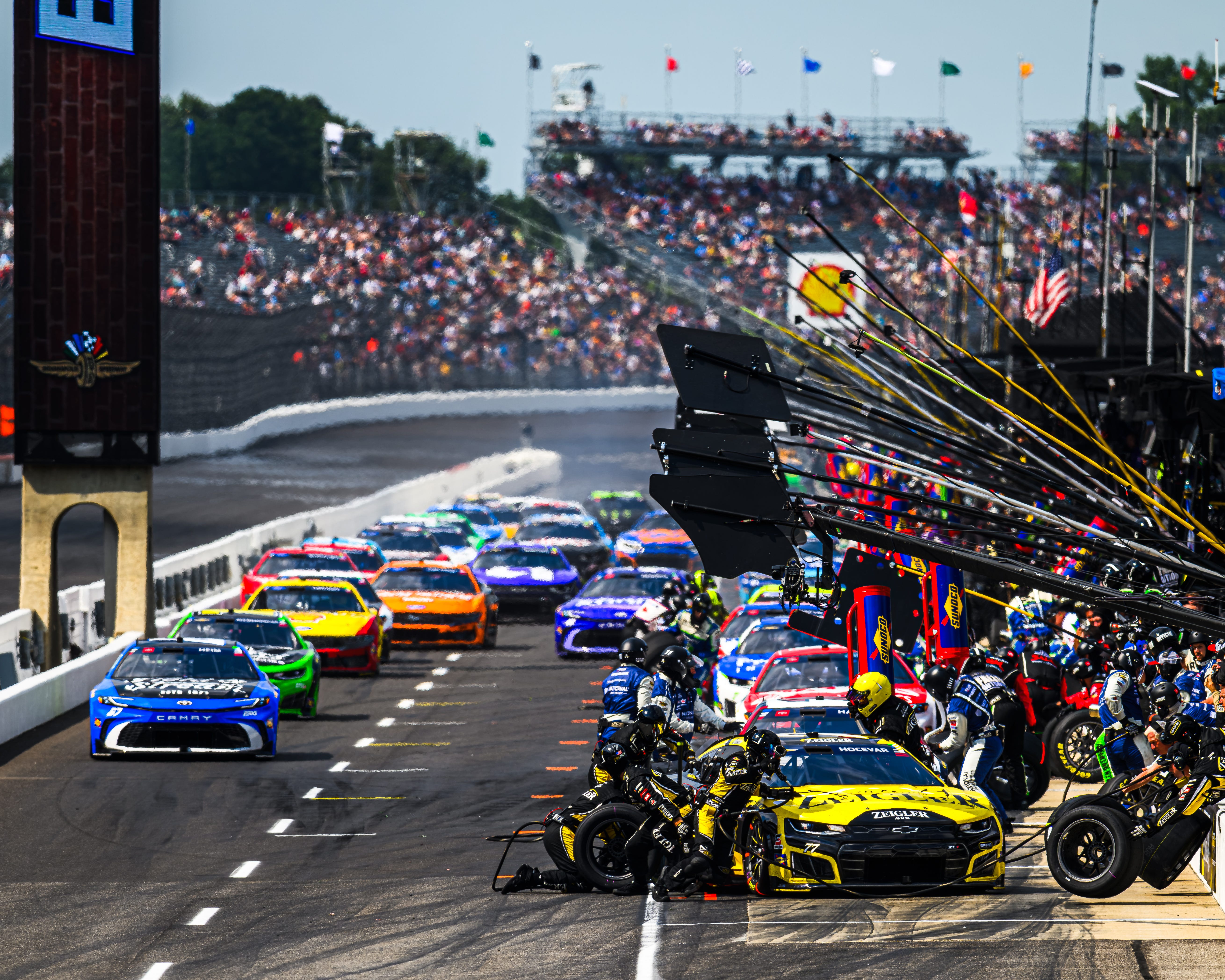
Pit lane at Indy was chaotic as expected with crew members ending up on hoods and having their tires hit due to the tight conditions. Those groups that could keep their cool in the chaos and quickly recover were able to end up on top.

One of the crews that saw their pit stop interrupted due to traffic conditions was the No. 24 pit crew of William Byron as they navigated a four-tire change while Shane van Gisbergen was trying to pass around them. SVG ended up hitting one of the tires being carried by No. 24 tire carrier Ryan Patton but he quickly recovered and completed the pit stop without much noticeable delay.
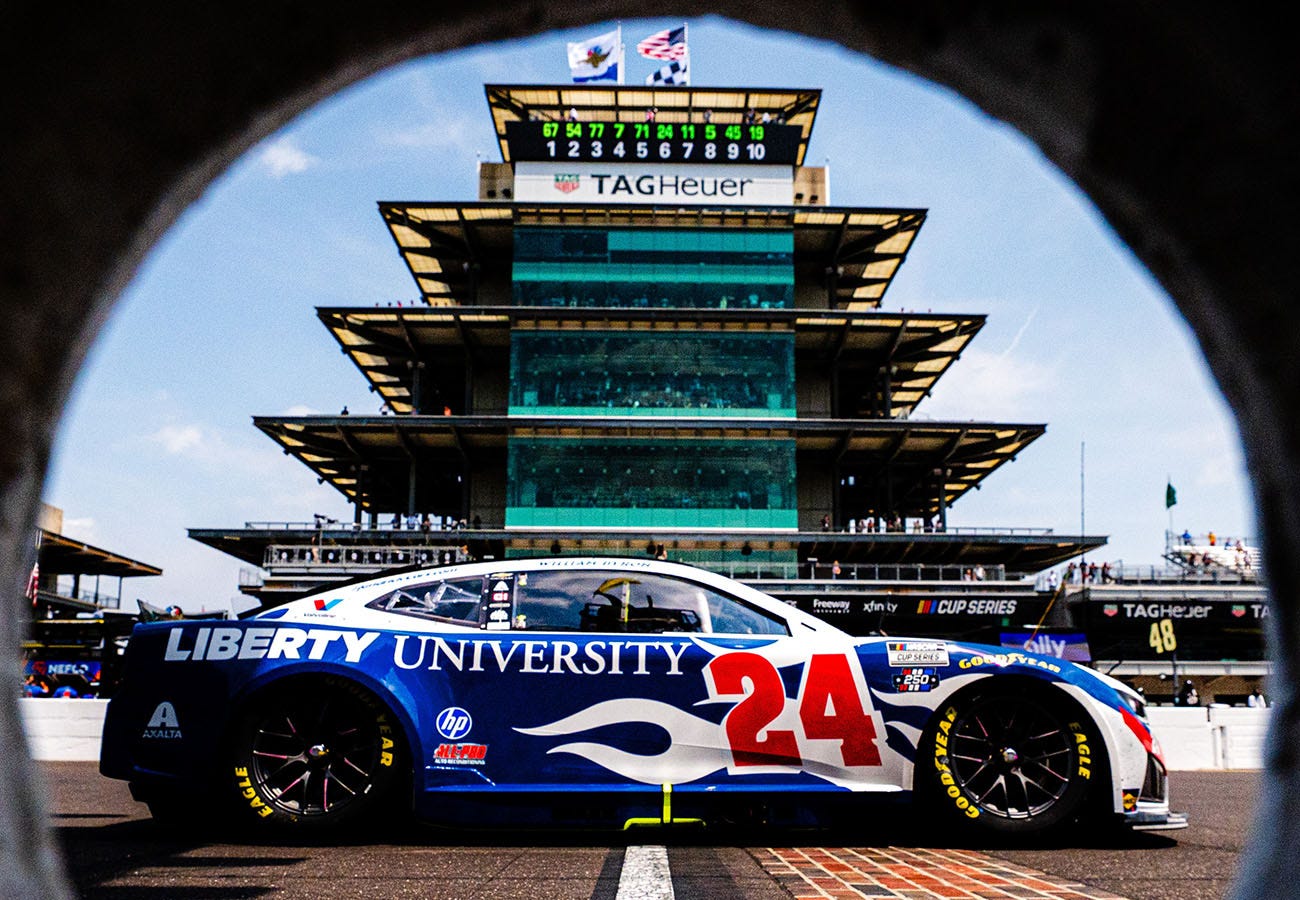
That No. 24 pit crew ended up on top of the list for the four tire averages of the day and executed the aggressive tire change plane set out by Rudy Fugle.
1. No. 24 - Hendrick Motorsports - William Byron - 9.36s
2. No. 9 - Hendrick Motorsports - Chase Elliott - 9.48s
3. No. 5 - Hendrick Motorsports - Kyle Larson - 9.50s
4. No. 10 - Kaulig Racing - Ty Dillon - 9.66s
5. No. 47 - Hyak Motorsports - Ricky Stenhouse Jr. - 9.85s
6. No. 1 - Trackhouse Racing - Ross Chastain - 9.97s
7. No. 16 - Kaulig Racing - AJ Allmendinger - 10.10s
8. No. 78 - Live Fast Motorsports - Daniel Dye - 10.29s
9. No. 19 - Joe Gibbs Racing - Chase Briscoe - 10.43s
10. No. 60 - RFK Racing - Ryan Preece - 10.43s
We saw some higher averages and unusual teams as we get to the second half of the top-10 list and that is a factor of how strategy played out at Indianapolis Motor Speedway as waiting for fuel was a common part of many strategies. One or two of the stops would be significantly longer for many teams depending on whether they chose a three-stop or four-stop strategy, which made the averages higher for many. Two-tire stops also were very significant as they became key to track position for the finish for many that were ahead on fuel at the last yellow flag period of the race.
No. 19 - Joe Gibbs Racing - Chase Briscoe - 3.40s
No. 22 - Team Penske - Joey Logano - 3.76s
No. 43 - Legacy Motor Club - Erik Jones - 4.04s
No. 20 - Joe Gibbs Racing - Christopher Bell - 4.10s
No. 21 - Wood Brothers Racing - Josh Berry - 4.14s
Those that were able to make a quick two-tire stop at the end were rewarded with significant track position, which is why the quick stops from the pit crew of Briscoe, Logano, and Bell were so significant. Practicing a variety of pit stop choreographies is important because as a pit crew athlete you have to be able to pivot at a moment’s notice and have the ability to do a two-tire stop quickly if the strategy allows it. Every single car that finished in the top five ended up doing a two-tire stop at the end as both the three-stop and four-stop strategies converged.
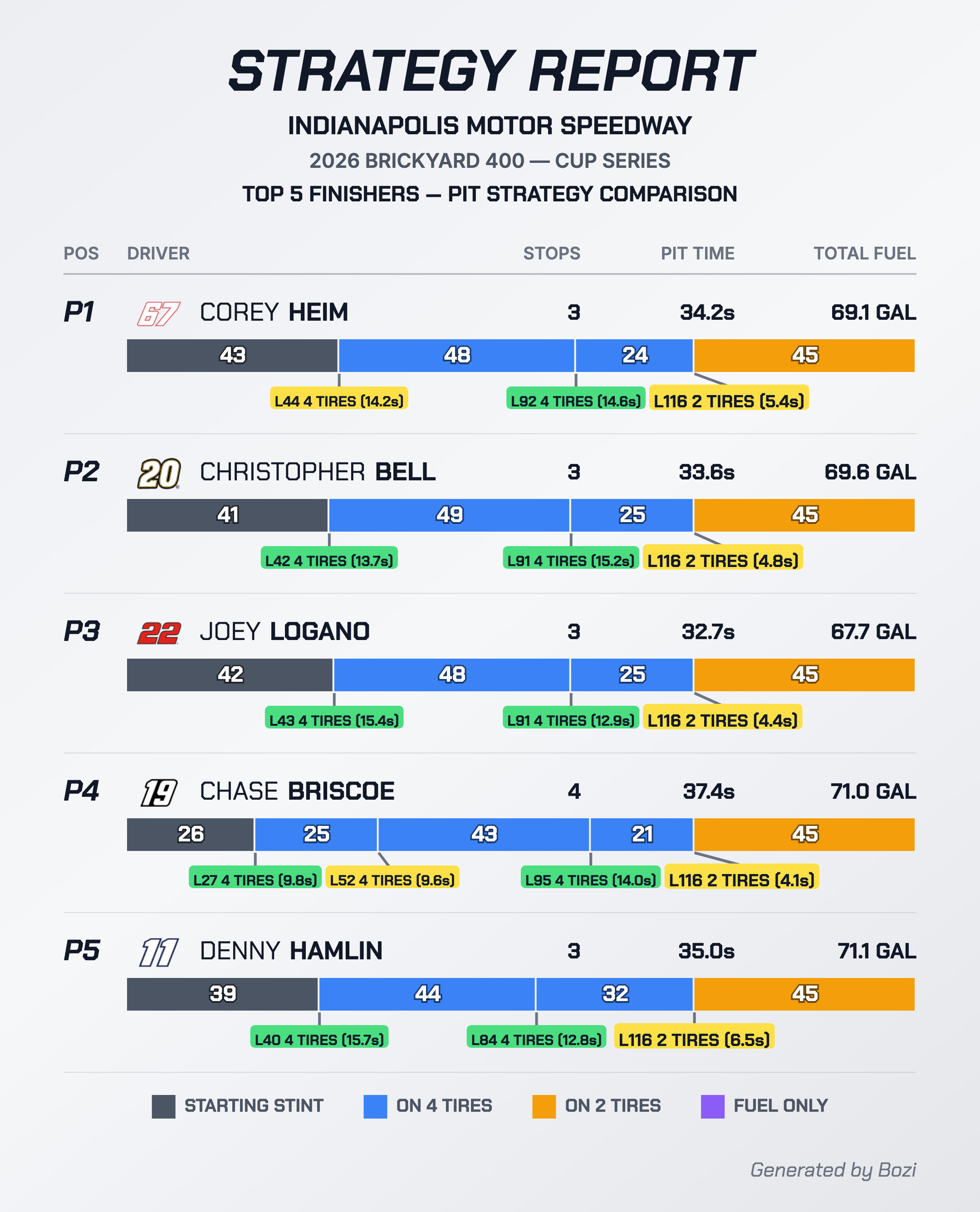
There were a few misses on the strategy end that saw cars losing significant track position and the two most notable were the No. 60 of Ryan Preece and the No. 24 of William Byron. The No. 60 of Preece was the best car on fuel when that yellow came out due to some lucky pit stop timing around an earlier yellow, and the No. 24 was also in decent position from a fuel perspective where both could do a two-tire stop and have the pit crew to be able to do the stops quickly. Ultimately, both crew chiefs chose to go for four tires while the majority of the frontrunners took two tires, which sent them deep into the field.
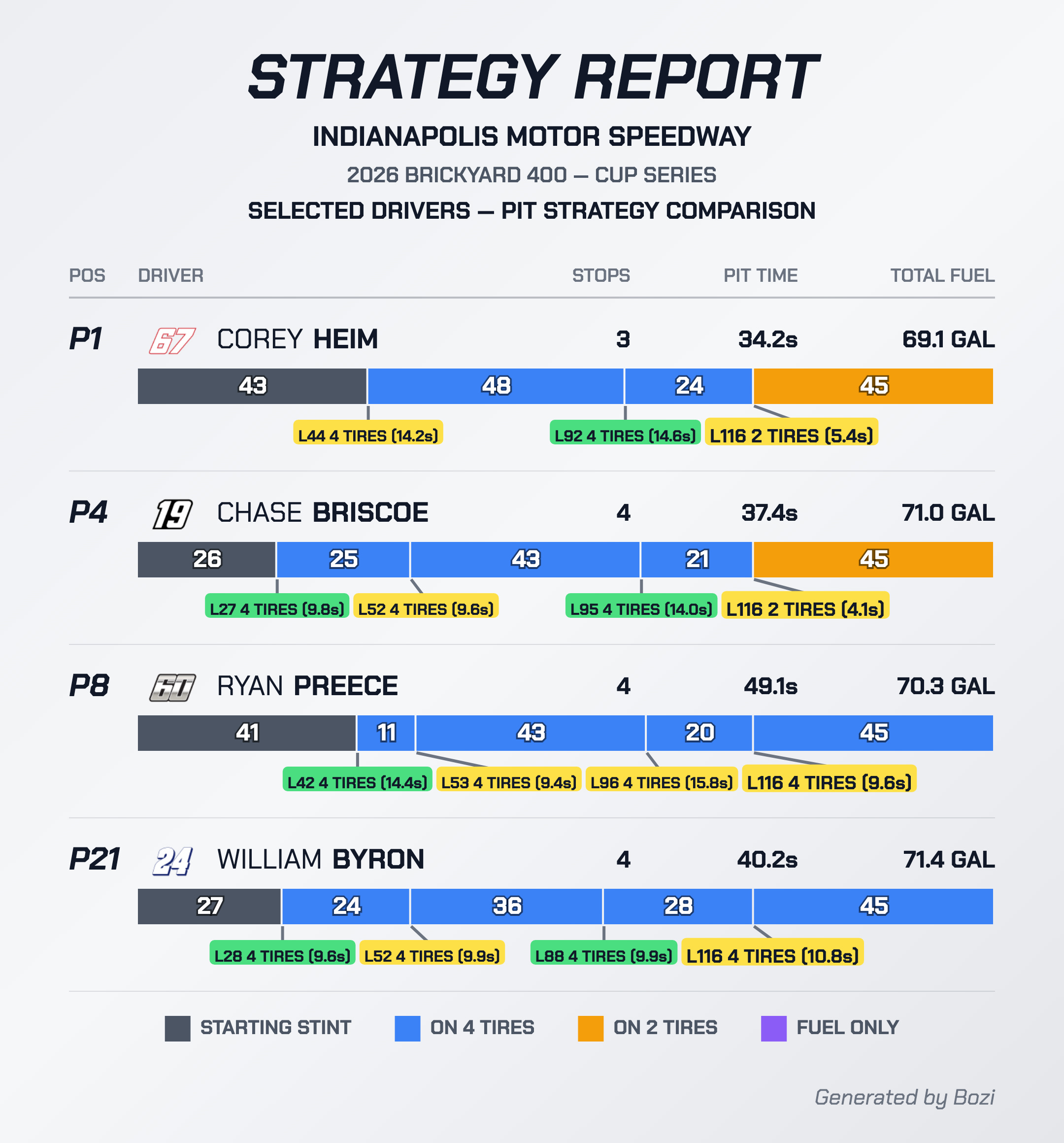
The option of a four-tire strategy allowed some pit crews to shine at the start of the race as the early stops were focused on getting the cars out as quickly as possible.
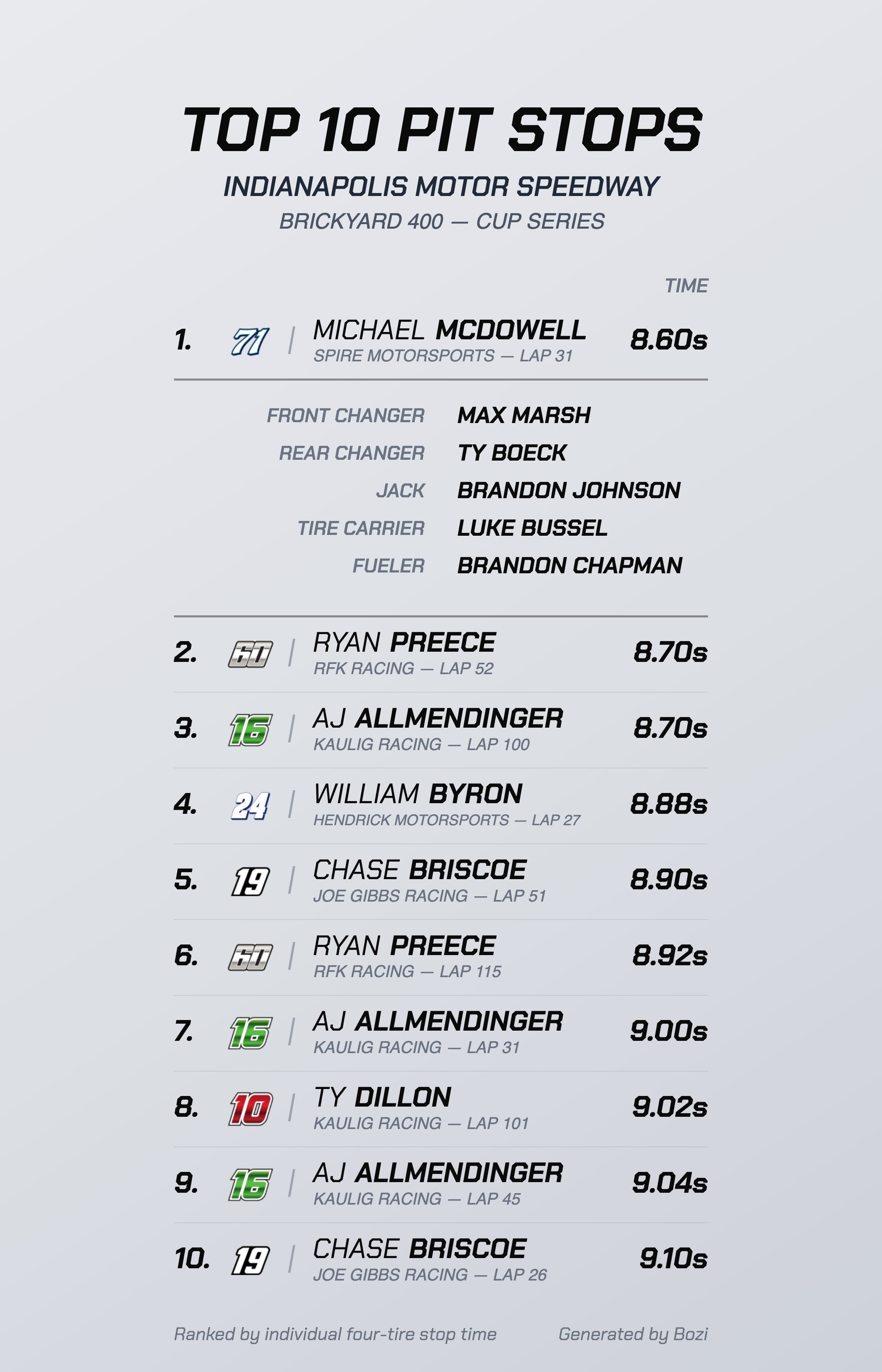
The Hendrick supplied pit crew on the No. 71 of Michael McDowell topped the charts with the fastest single pit stop of the day along with multiple appearances on the chart from the Trackhouse supplied pit crews at Kaulig Racing.
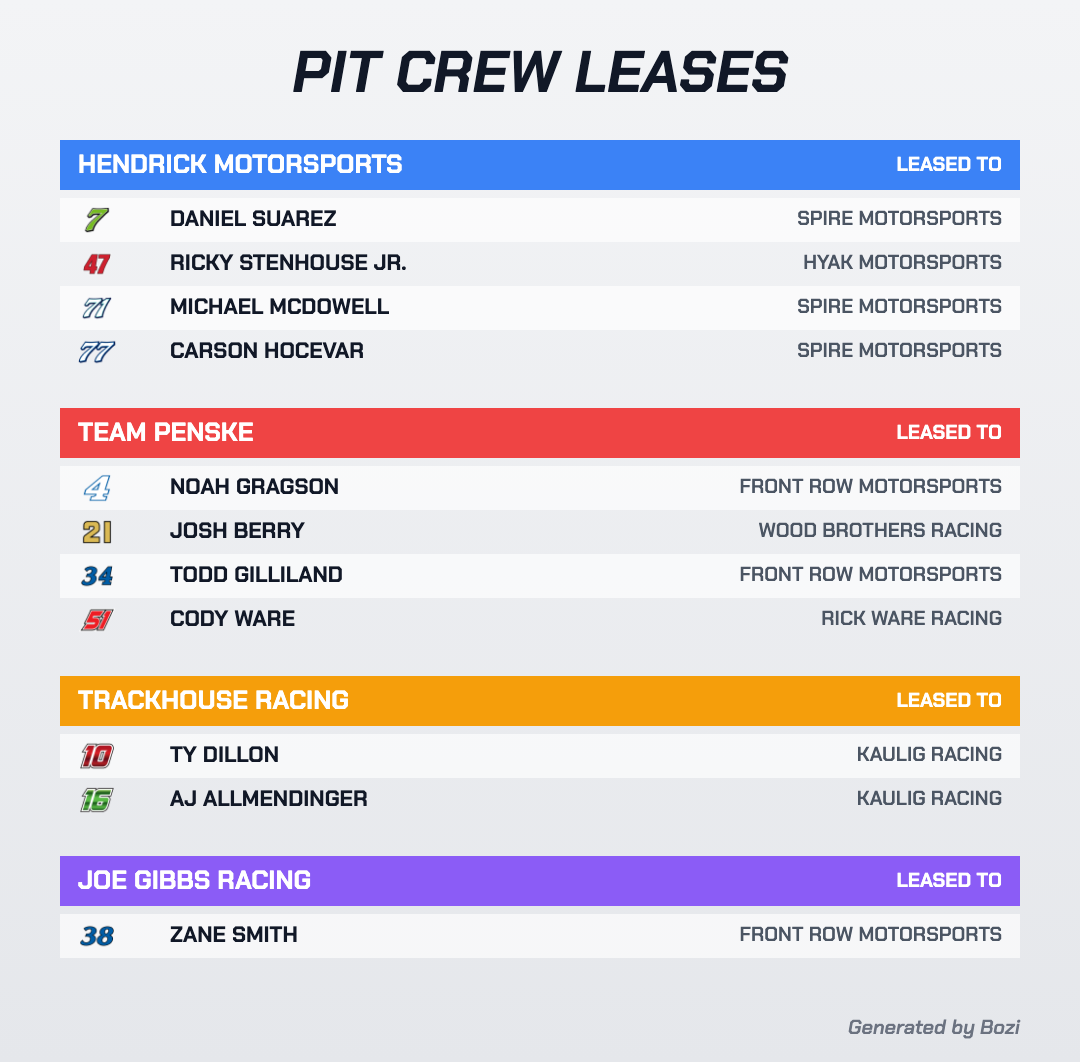
It might be odd to consider that team, which compete against each other, would provide pit crew athletes to one another but the cost of operating a pit department is prohibitive for many teams so they partner with larger organizations in order to lease crew members. The benefit for the larger organizations is that they can employ backup or development crew members for their own teams and give them a place to actively compete and be paid until they are called up to the house cars. These are the current leases in the NASCAR Cup Series.
The weekend will be the first break of the year for many pit crew athletes as it is the first weekend when none of the three national series are competing. Many of the Cup pit crew members are also leased to O’Reilly and Truck Series teams so they ended up working through the earlier Cup off-weekend since the other two series still competed. Breaks can often result in a reset so we might see some crew members that have recovered from injury returning at Iowa along with possible shuffles on other crews as the chase gets closer.