NASCAR’s long and complicated drive through Southern California
The San Diego race at Naval Base Coronado will mark the seventh Cup Series host venue in a highly coveted market where it’s been difficult to establish a permanent foothold.

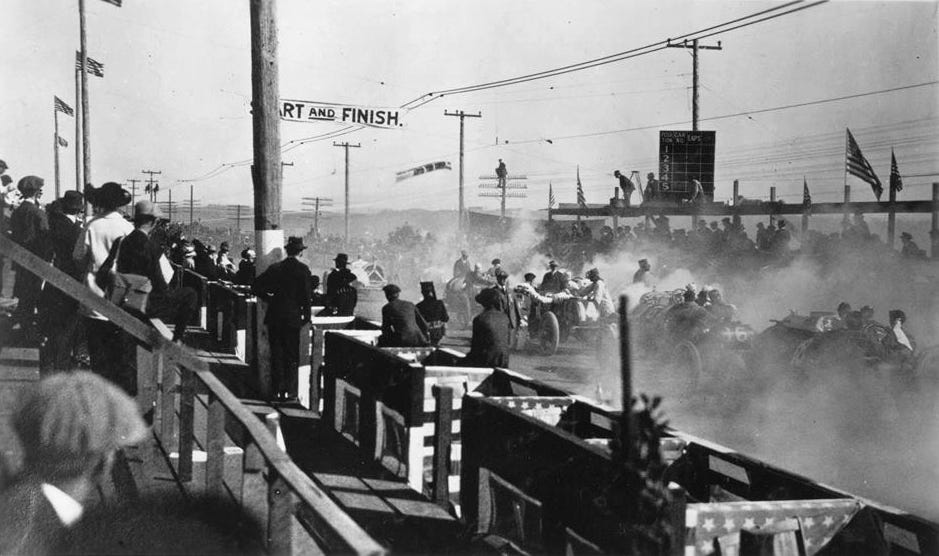
The headline was breathless with anticipation (“San Diego Expects a Thrilling Race”), and the story vividly previewed a can’t-miss event featuring race cars roaring past a military base.
That might ring familiar, but this wasn’t contemporary fare from the San Diego Union-Tribune about NASCAR’s current visit to America’s Finest City.
This article was published in December 1914 and documented the hoopla around the Point Loma Road Race.
On Jan. 9, 1915, a $10,000 purse (with half awarded to the winner) was at stake in a 51-lap race on a nearly 6-mile course down the then-dirt roads of San Diego’s scenic and affluent coastal peninsula (which once housed the U.S. Naval Training Center and still has a naval base). Point Loma, a picturesque spot known as “where California began,” sits just across the San Diego Bay from Naval Base Coronado – site of the San Diego Street Course that marks the return of NASCAR’s premier series to Southern California this weekend.
Separated by 111 years, there’s a high-profile throughline between two big races in San Diego.
The Point Loma Road Race was a showpiece of the Panama-California Exposition – a world’s fair-style event aimed at promoting San Diego as a major West Coast trading center with the opening of the Panama Canal. It drew a field of top-flight racers (including World War I flying ace Eddie Rickenbacker in a Peugeot) to a circuit praised by the legendary Barney Oldfield as “the most spectacular course I ever inspected.”
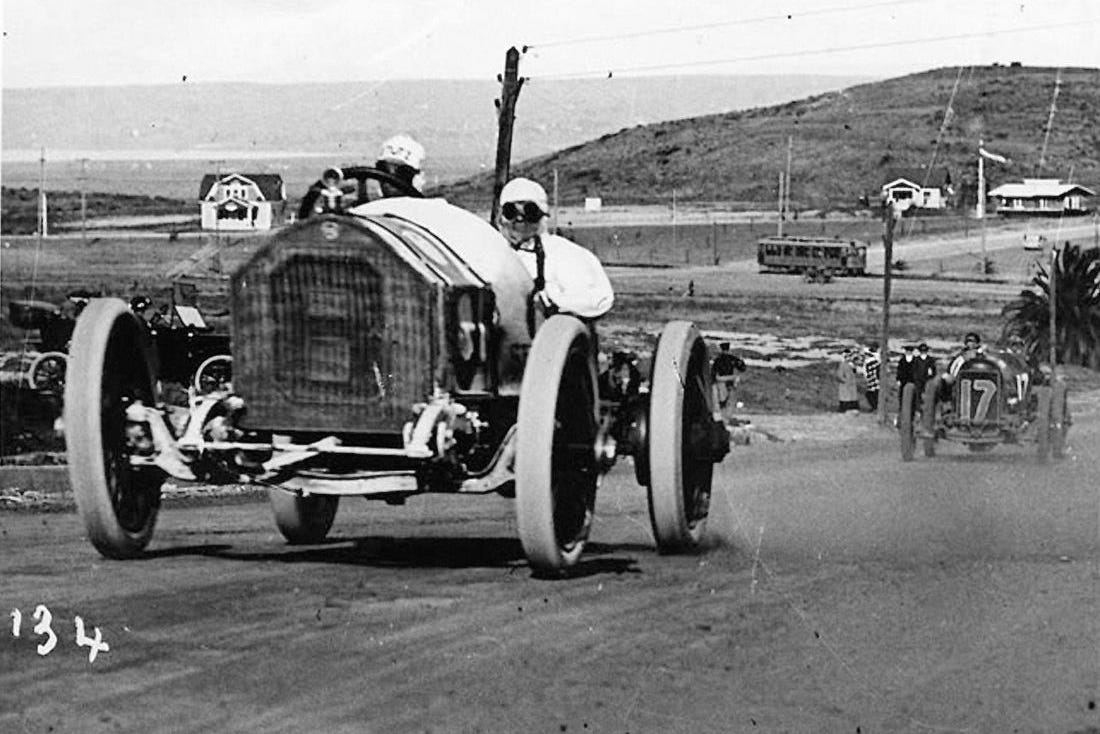
Wheeling his No. 8 Stutz roadster, Earl Cooper won by covering 305 miles in four hours and 40 minutes (65.05 mph) as five of 18 cars reached the checkered flag before an estimated 50,000 fans.
Then the event was gone – and 15 years passed before the next pro race in San Diego.
It’s a reminder of the harsh reality of mixing motorsports and Southern California.
Big-time auto racing has been going in circles for years while hunting for a permanent home here.
With the Grand Prix of Long Beach (a fixture since 1975) as a notable exception, the life cycles of major-league racing venues in Southern California share an undeniable (and somewhat demoralizing) pattern: A massive inaugural event is followed by an inevitable demise.
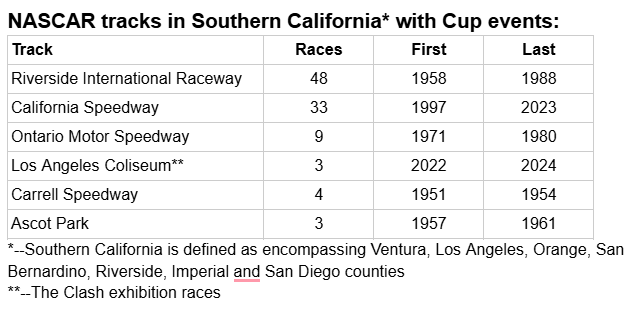
That’s the stark historical record as San Diego becomes the seventh Southern California venue to play host to the Cup Series since 1951.
Each preceding track was marked by the promise of large potential but an eventual lack of staying power. Five of the venues have gone defunct (the sixth – Los Angeles Coliseum – had other sports that underpinned its existence long before The Clash exhibition was held there from 2022-24).
In tracing the region’s history of racing, the overarching trend has been that Southern California property values always seem to outweigh the worth of racetracks.
It started in the 1950s with Carrell Speedway (Cup races from 1951-54) and Ascot Park (1957-61), two short-track ovals in Gardena that were swallowed by suburban sprawl.
During the second half of the 20th century, the epicenter for racing in Southern California shifted to the Inland Empire, the metro area east of Los Angeles and Orange County.
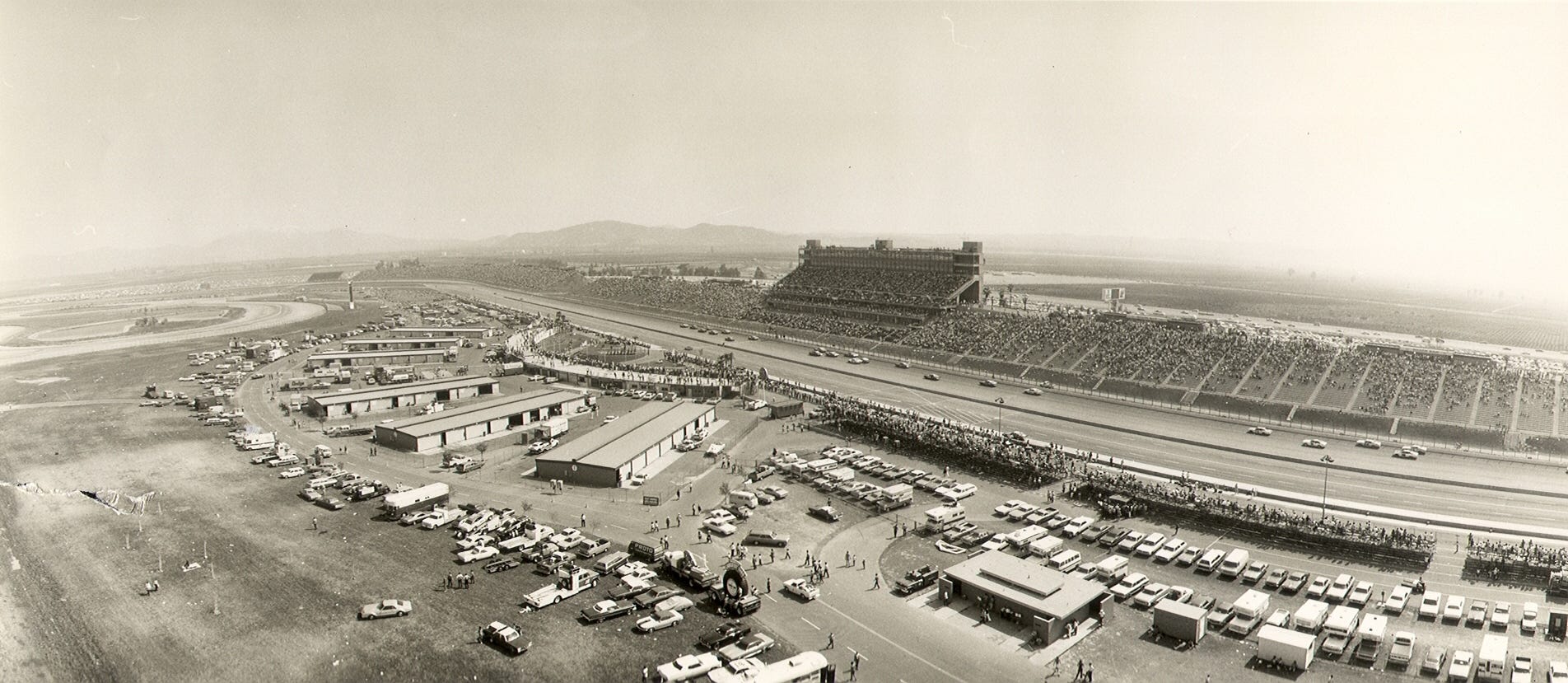
On Sept. 6, 1970, Ontario Motor Speedway opened to a crowd of 180,000 for the inaugural California 500. Three months later, the $30 million track, a palatial replica of Indianapolis Motor Speedway that drew raves, was $1.5 million in debt after being financed through high-risk speculative bonds.
Benny Parsons won the final Cup race there on Nov. 15, 1980. Awash in red ink, Ontario was sold for $35 million a month later and bulldozed in 1981 for later redevelopment (a shopping mall, a sports arena and an industrial park can be found now near the intersection of the I-10 and I-15).
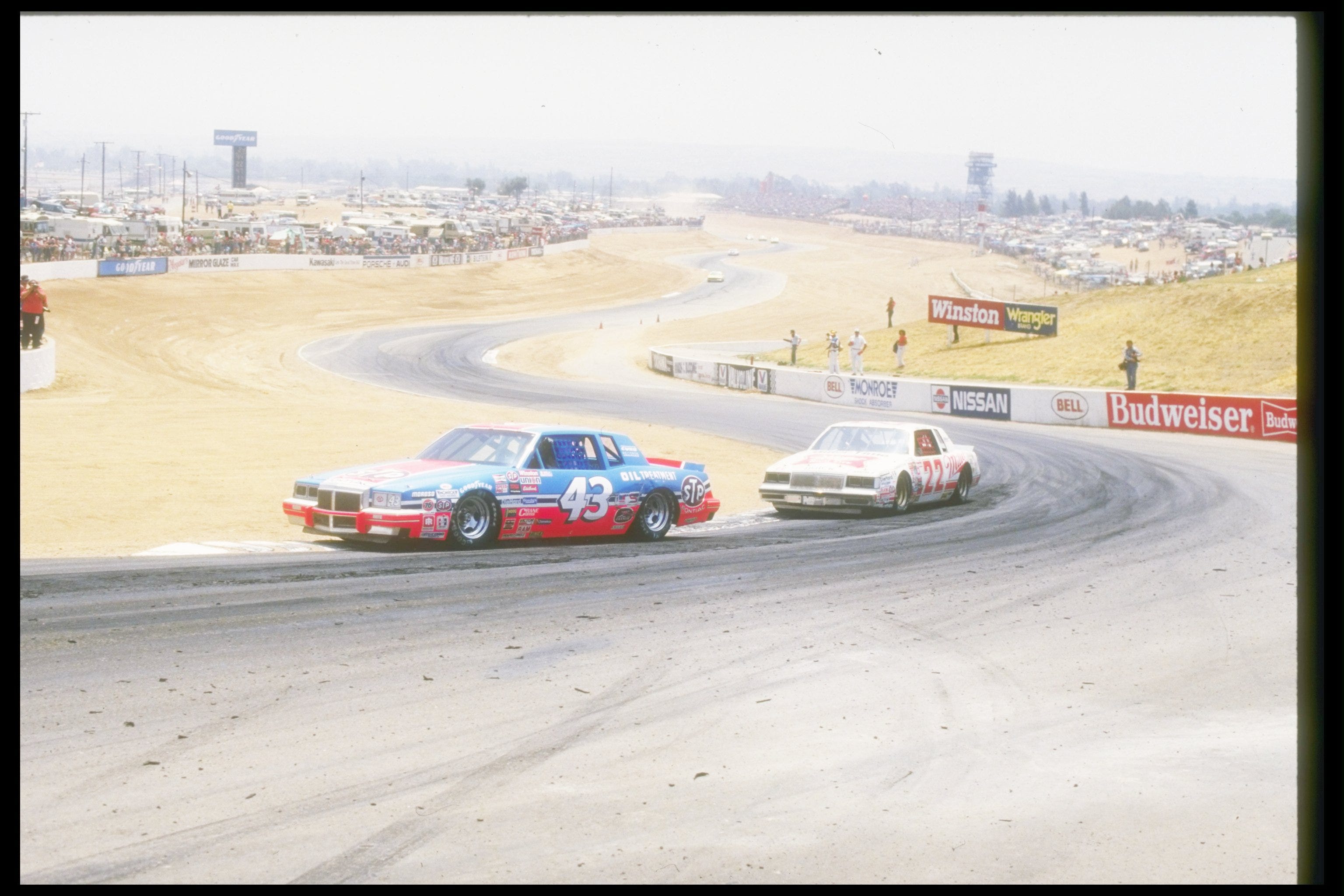
Riverside International Raceway had a run that lasted three times as long. The road course in Moreno Valley opened in 1957 and welcomed the Cup Series the next year for the first of 48 races that had an illustrious roster of winners – Dan Gurney, A.J. Foyt, Parnelli Jones, Richard Petty, David Pearson, Mark Donohue, Cale Yarborough, Tim Richmond, Bill Elliott among them.
But the track was bought by a real estate developer. After a record crowd of more than 75,000 witnessed Rusty Wallace win on June 13, 1988, Riverside was razed for a shopping mall.
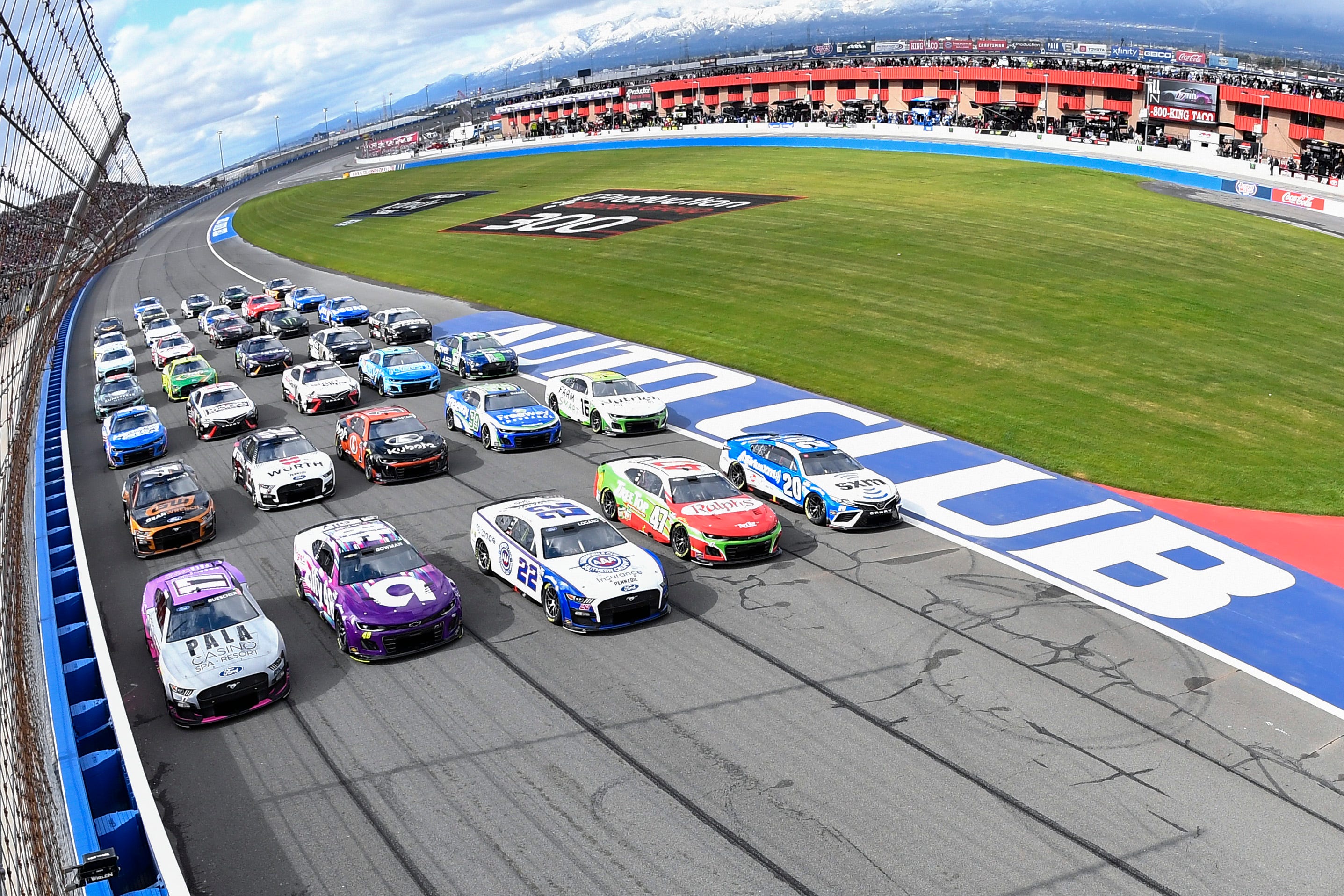
A nine-year winter without a Cup race in Southern California ended on June 22, 1997 with home-state favorite Jeff Gordon christening California Speedway with a win. The 2-mile oval in Fontana held Cup races for 26 years before being designated for repurposing as a short track.
Large chunks of the track property were sold in 2023 and turned into warehouses, while what was left of California Speedway (essentially the front straightaway, grandstands and the pit lane) awaited an evolution that hasn’t been assigned a timeframe.
Which brings us back to San Diego.
As a temporary street course, it’s inherently different from Ontario, Riverside and Fontana, but the Coronado circuit shares something important: its Southern California location.
Nearly 25 million people live within a two- to three-hour drive (depending on the traffic congestion in the area’s labyrinth freeway system). Any major pro sports league in the United States needs to have a presence here.
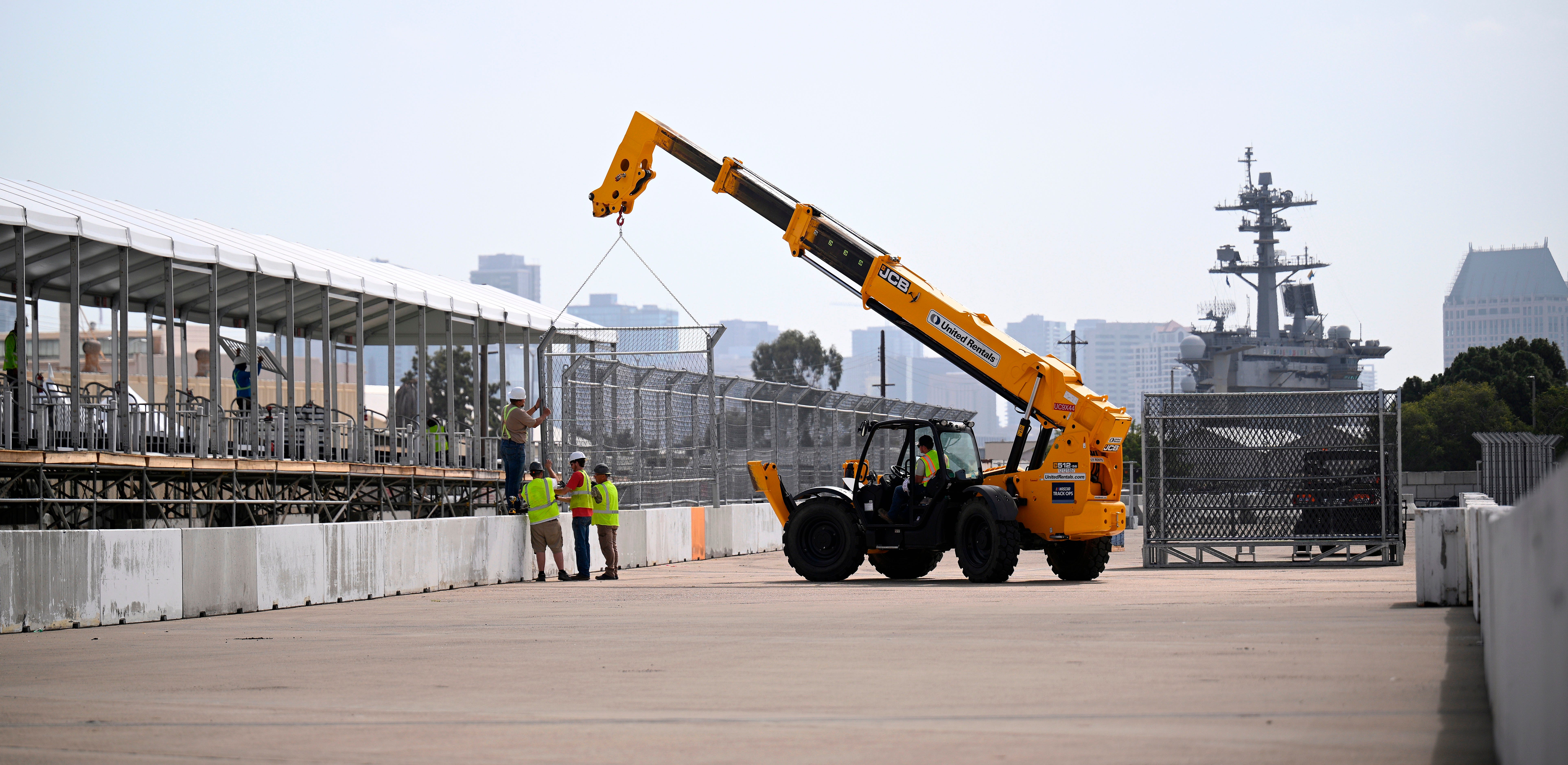
“The Southern California market is paramount to us,” NASCAR chief operating officer Ben Kennedy said on the “Hauler Talk” podcast last year. “We wanted to be there for a couple of years while we took a break in Fontana. And it was a big reason why we made the decision to go to San Diego.”
And so the complicated relationship between major-league racing and Southern California is renewed again.
Whether NASCAR continues racing at Naval Base Coronado beyond this year has yet to be determined. But its SoCal story won’t end there, regardless, because it can’t.
“We would love to have a permanent presence somewhere in the Southern California region in the future,” Kennedy said. “There are probably 15 or 16 total sites that we’ve considered. San Diego is going to be the best one for us in’ 26. But as we think about a long-term home for Southern California, we’re still looking at options.”
Full throttle linkage
Some NASCAR.com reads to check out from the past week:
How was Naval Base Coronado turned into NASCAR’s newest track? Zach Sturniolo has a behind-the-scenes look.
Mike Hembree details why the San Diego race will have a special meaning to 23XI Racing jackman Damian Jackson, a former Navy SEAL.
When it comes to adaptable Cup drivers on a new track layout, Neil Paine says it’s hard to overlook Shane van Gisbergen.
Zack Albert explores the rich traditions that connect professional sports with the American military.
Nathan Solomon looks at NASCAR’s roots with the armed forces, which date back to the sport’s genesis.
Pat DeCola on the key driver trends shaping the battles to make the 2026 Chase for the Cup championship.
From the “Hauler Talk” podcast, the backstory of how NASCAR and Prime Video worked to move up the start of the Pocono race by two hours.