17. The Interview: Adam Alexander
Play-by-play announcer for NASCAR on Amazon, TNT and the CW

Editor’s Note: People Who Race tells the stories behind the faces in motorsports and are told by veteran award-winning television broadcaster Kaitlyn Vincie.
The art of calling NASCAR races is a skill that can take decades to perfect. For Adam Alexander, that pursuit began at a young age when he started calling sporting events in high school, accumulating as many repetitions as possible behind the microphone. Today, Alexander serves as the lead play-by-play voice for Amazon, TNT and The CW's NASCAR coverage, proving that his humble beginnings in Indiana helped pave the way to one of the biggest stages in broadcast television.
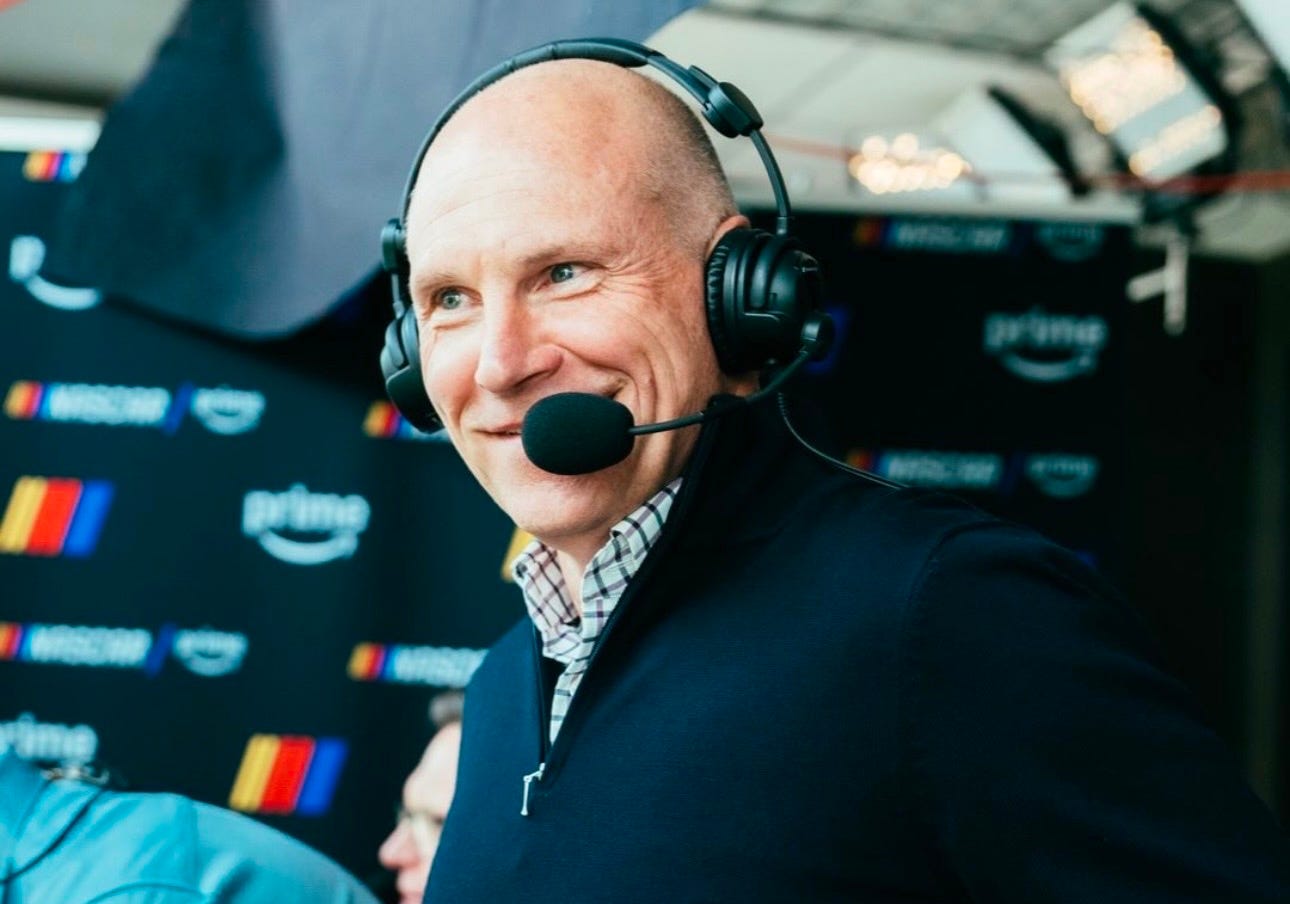
KAITLYN VINCIE: You were born in Madison, Indiana, and I read that you used to sell newspapers as a teenager outside Indianapolis Motor Speedway. Was that your earliest exposure to NASCAR and racing, or was it a family thing?
ADAM ALEXANDER: My parents sold newspapers—the Indianapolis Star—to supplement their income. So, I started doing a newspaper route in Indianapolis, and then my mom and dad found out they needed people to sell newspapers out front of the track on the day of the 500. We were sports fans, but I had never been to the Speedway before that.
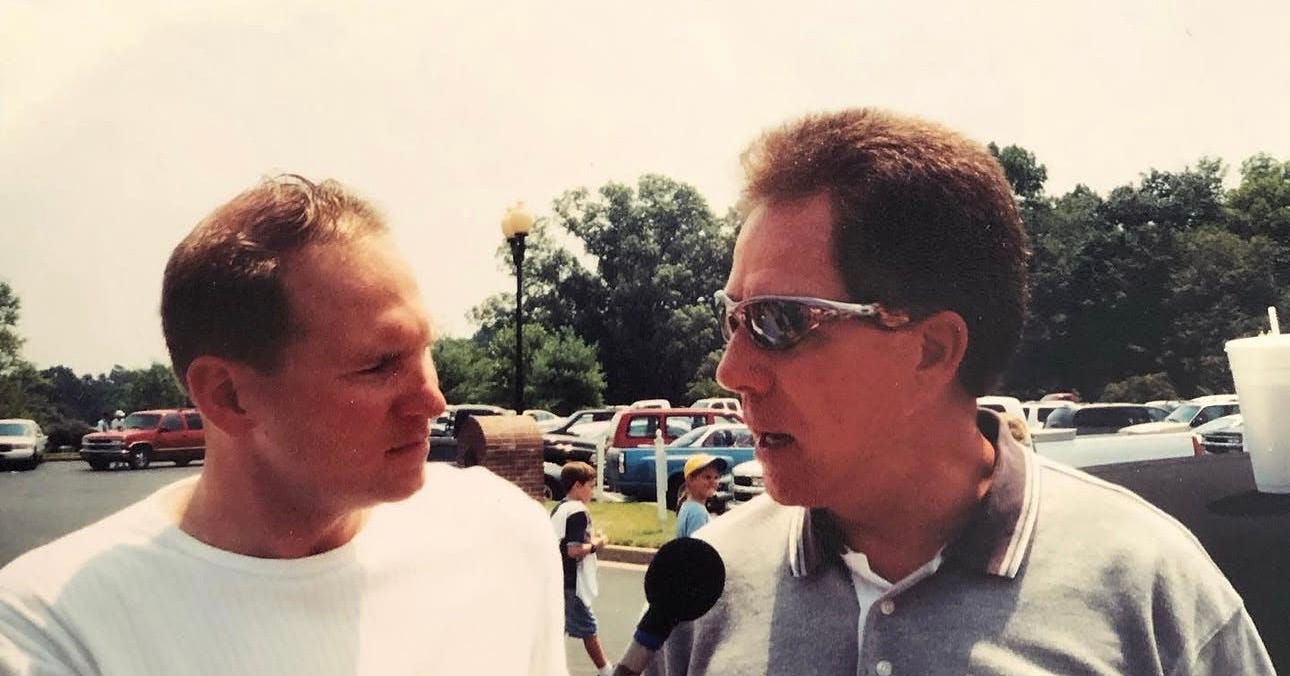
That was really the only time I had been to Indianapolis Motor Speedway or around the track until I called the Indy 500, or was part of the Indy 500 radio broadcast, in 2001. What got me going in NASCAR was when I moved to Evansville, Indiana, and part of our television market was Owensboro, Kentucky. At that time, Darrell and Michael Waltrip were still racing, along with the Green brothers, Jeremy Mayfield and all these guys who were from that area and part of our local television coverage.
We would occasionally do highlights, and that got me interested in NASCAR. Then, by accident, I started doing a local radio show that was all racing. From there, I just started meeting people in the NASCAR world, getting very connected and eventually got an audition with MRN Radio. That was how it all began for me.
KAITLYN VINCIE: Before all that happened, when did you become interested in journalism specifically?
While I was in high school, I thought radio and television would be an enjoyable and rewarding path for me. I went to North Central High School in Indianapolis, and we had a radio and television program there. I spent three hours of my school day during my junior and senior years at the radio station, hosting shows. We did all kinds of cool things that most people don’t get to do at that age.
I was getting exposed to play-by-play, and I became a student of all of it. I always loved it, and as a sports fan, that part of it captivated me. I realized that was the path I wanted to take. Really, I got an enormous head start as a broadcaster because we had this elite program with great teachers right in our high school. It allowed me to lay a foundation and go from there.
KAITLYN VINCIE: I did not realize you started all this so young. That explains why you’re so good at it. Fast-forward to now: you’ve worked with TNT, FOX, Amazon and The CW. You’ve truly done everything there is in NASCAR broadcasting, from play-by-play to studio hosting to pit road. Not many people can say that. How different are all of those disciplines, and how are you able to do all of them so well?
My overall approach is the same regardless of what I’m doing, and it’s all because of how I started. The first on-air opportunities I had, when I was 16 years old and a junior in high school, were doing play-by-play. You call what you see. There is no script to that. You can prepare all you want, but really it’s just about watching what’s happening and telling the audience what you’re seeing.
I did radio in college, and then I started doing some television when I was at Vincennes University. We had a foot-pedal teleprompter that I just couldn’t operate. So my answer to that problem was to ad-lib everything. At first, people said, “You can’t ad-lib that.” I said, “Just put the images up there, and I’ll talk about them.” I never wanted a script. I wanted to show up and do play-by-play and have that same mindset whether I was in the studio or on pit road. Philosophically, that’s what always worked for me. I think it worked because that was the original foundation I laid in my career.
KAITLYN VINCIE: That’s why you never used the teleprompter on Race Hub. I always wondered, because when I first started, people said, “Just watch—he’ll never use one.”
I worked in local television, where you didn’t always have the best resources behind the scenes. My thought was always that if we’re going to have a lack of reliability, we’re going to look a lot better if I’m simply talking about what’s on the screen, even if it isn’t what we planned to discuss. That way, the people at home are going to believe we’re on the same page. I’ve always believed that if you can be on the same page as your audience, that gives you a real shot. Ad-libbing and going with the flow has always been my approach.
KAITLYN VINCIE: You mentioned the audience, which brings me to my next question. How do you strike a balance between informing hardcore fans while also welcoming newer, casual viewers?
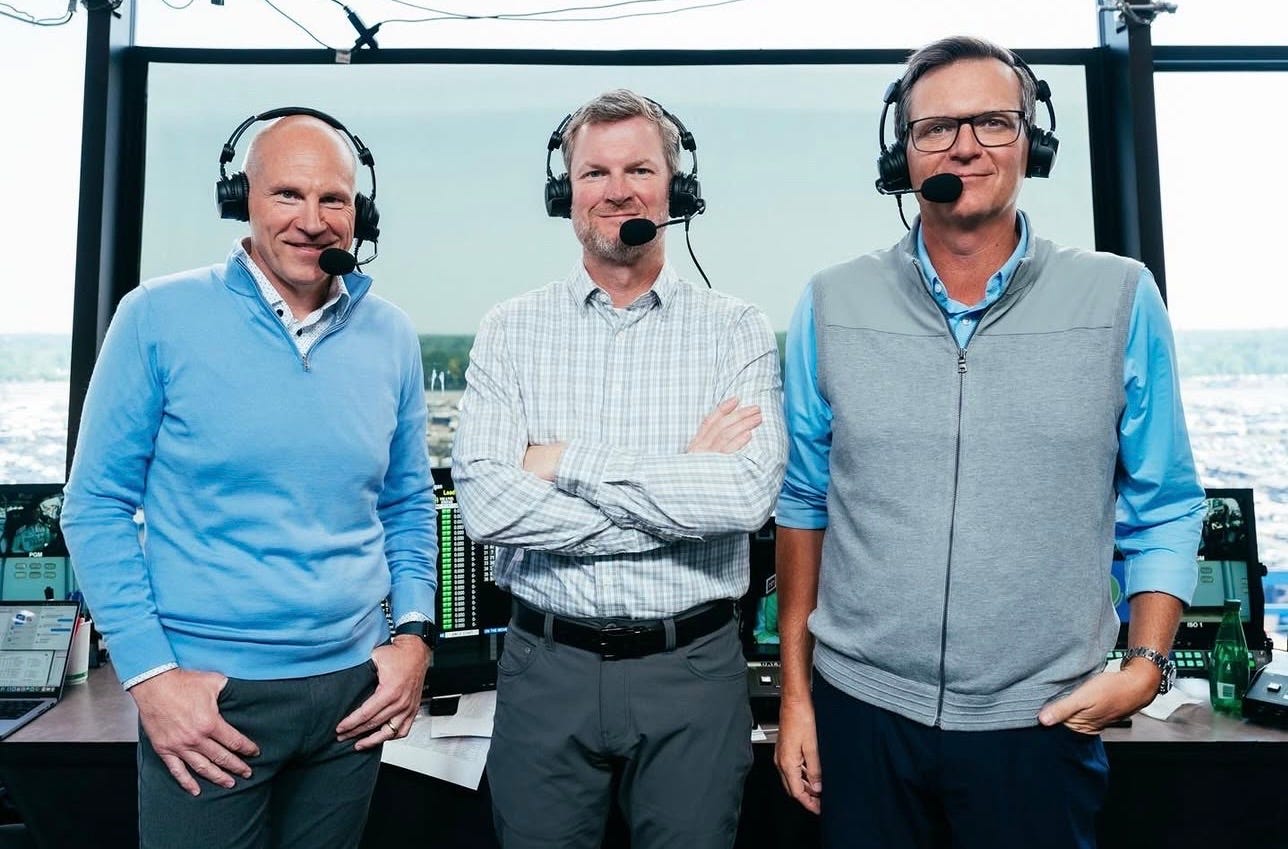
When I started doing what is now the O’Reilly Auto Parts Series coverage for FOX, I was presented with the idea of having guest analysts in the booth. I feel like that really helped me grow as a broadcaster because it forced us to be conversational and take a laid-back approach—just three guys in the booth watching racing and hanging out.
It was as if we were sitting in a bar or someone’s living room. I really adapted to that style of being a conversationalist in our broadcasts. That was the mindset, and I feel like it takes pressure off the people around you when you approach it that way. It also allows the viewer to feel like they’re part of the conversation instead of being talked to. I feel like it creates a simplistic style that everyone can relate to and appreciate while they’re watching.
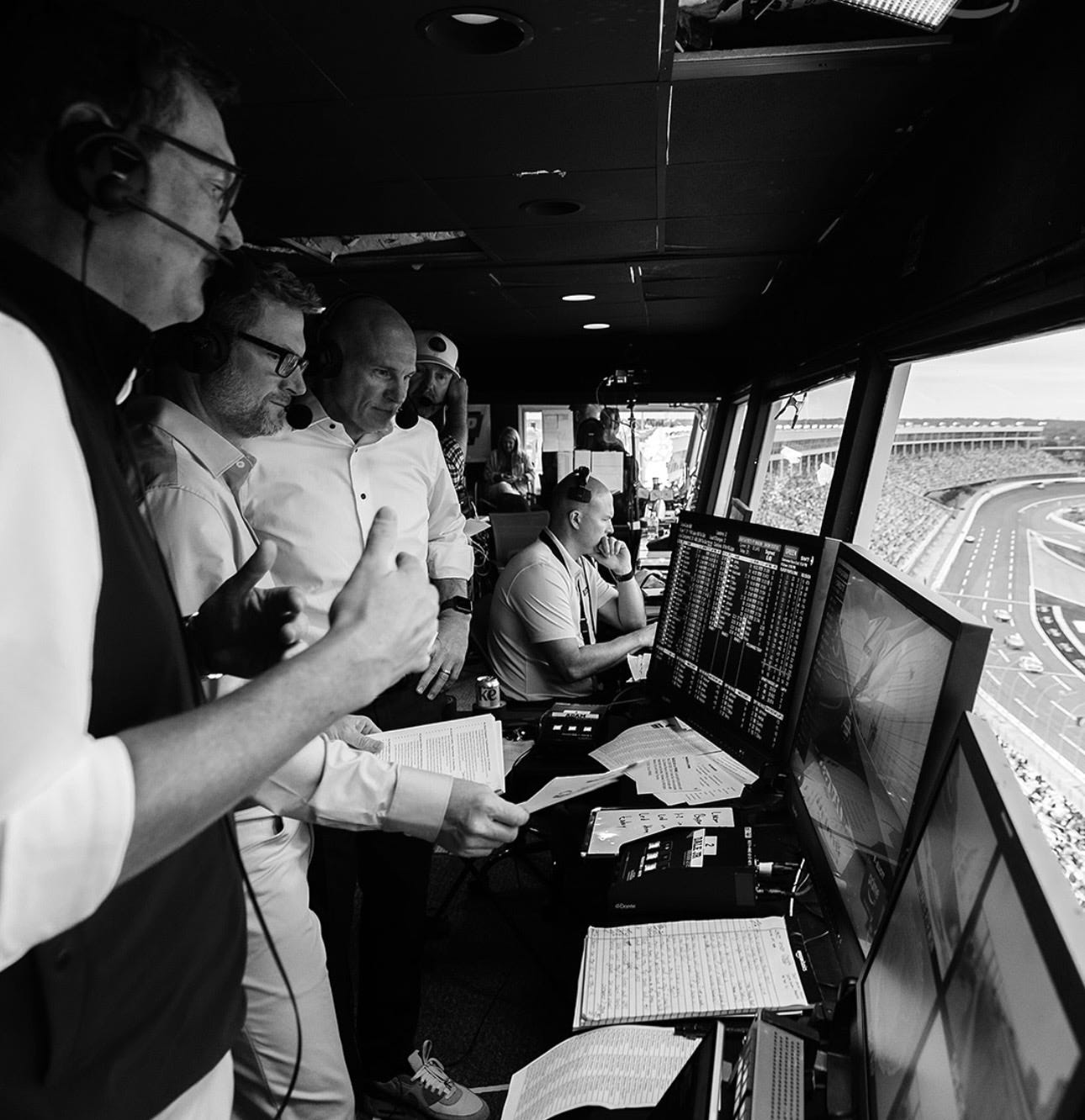
KAITLYN VINCIE: That makes a lot of sense. Amazon and The CW came into NASCAR in a big way last year. What was it like being part of two new broadcast partners starting from the ground up, and how involved were you in shaping the way their coverage looks and feels?
I would say the role I play with those two groups is different. With The CW, we’re doing more than 30 events a year, and that group is smaller by nature. I’d say I’m leaned on a little more there from a leadership perspective. In my role, regardless of the network, you need to have leadership skills and a strong thought process. It’s been really neat to have a front-row seat to people who are experiencing the sport for the first time. I have a tremendous amount of respect for the approach both of those networks took with their coverage.
When I first met with Prime about the play-by-play position, I was blown away by the humility and grace they brought to their approach to NASCAR because they had never done it before. They were quick to admit they didn’t know the sport, but they wanted to learn the best way to cover it and lean on people who had been involved in NASCAR for a long time. I think you’ve seen that play out in the way they’ve presented their product and their pre-race and post-race coverage.
I would say it’s very similar with The CW. What I admire about them is that they’re a growing network, they’ve leaned heavily into NASCAR, and the level of support we’ve received from them has been remarkable. It’s very hands-off, but it’s genuine support. Text messages, emails and phone calls from people at the highest levels who simply appreciate what they’re getting in return. I’ve always believed that attitude behind the scenes makes a difference.
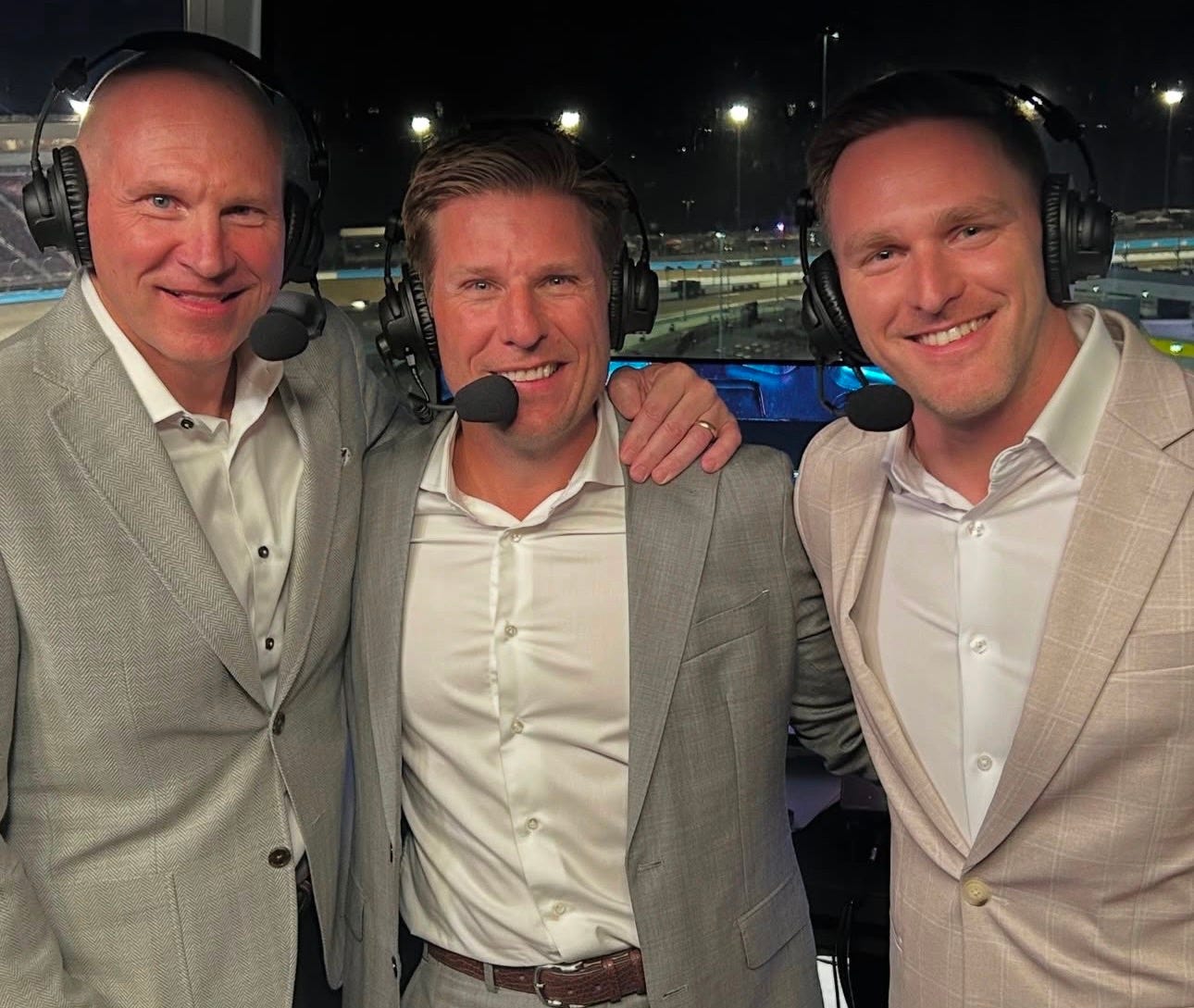
KAITLYN VINCIE: It’s been very enjoyable to watch both partners come into the mix. I think back to when you talked about selling newspapers outside the Speedway and compare that to where you are now. Do you ever take a moment to appreciate your own hard work? I know you’re so humble and you probably hate this question, but I’ve always been curious.
It’s funny — when I’m working with Dale Jr. in the booth, it’s just two guys doing television. But I do think about the magnitude of what Dale has meant to the history of the sport, and I appreciate the passion and energy he brings every time we’re on the air together. So sometimes you do get reminded. I look at what Jamie McMurray has been able to accomplish. He and I kind of came in around the same time. He was a young driver trying to make it, and I was trying to make it on the broadcast side, and we shared that experience. Now he and I have become good friends and do a lot of television together. Seeing some of the people I worked with in a different light is a great reminder of how lucky I am to do what I do and work alongside the people I get to do it with.